

One District One Product (ODOP): Meaning, Benefits, Examples, and Impact on Local Economy
One District One Product (ODOP): A Complete Guide
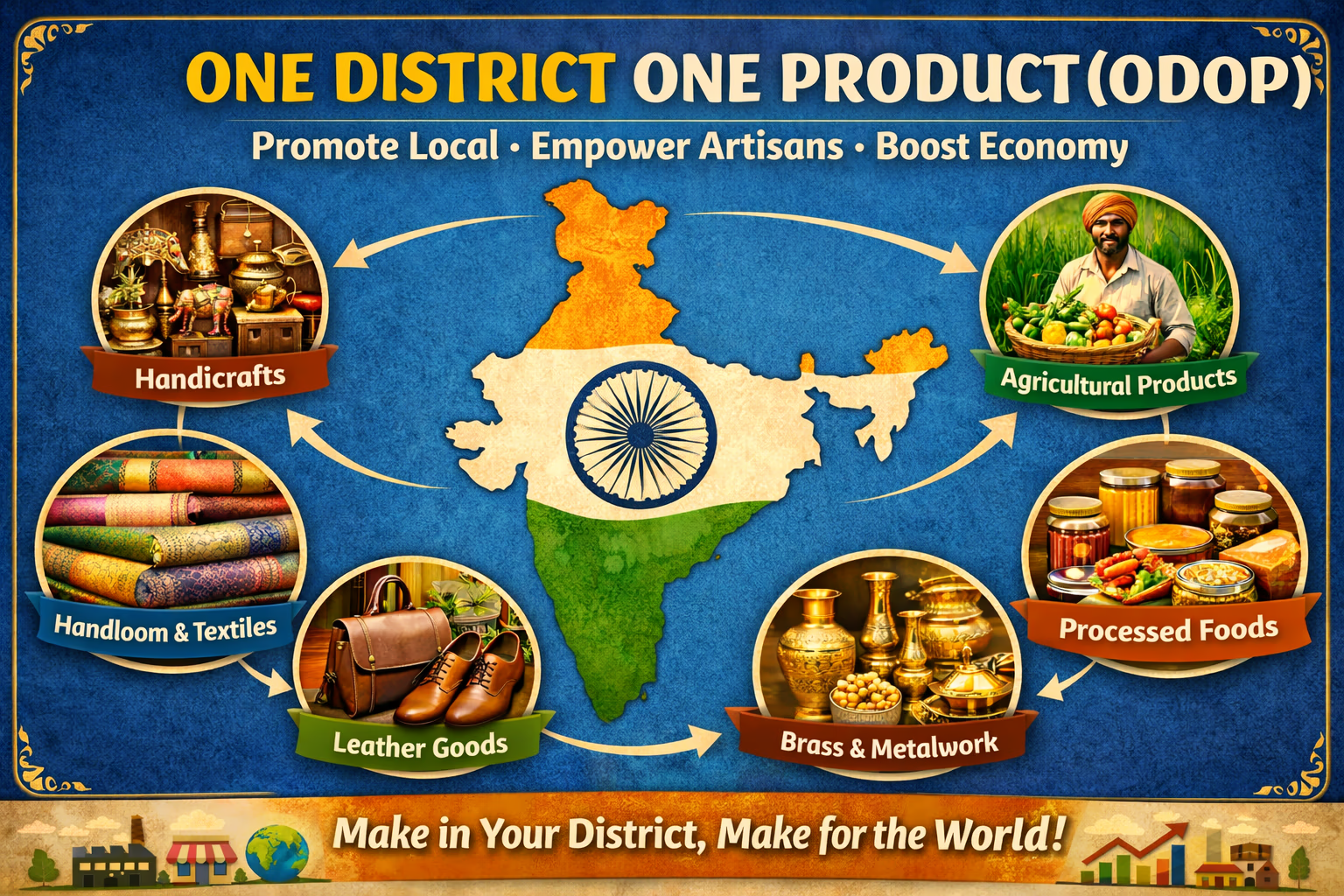
The One District One Product (ODOP) initiative is a flagship program by the Government of India aimed at promoting local products, artisans, and industries at the district level. The core idea of ODOP is simple: each district specializes in one unique product based on its natural resources, skills, and traditional expertise.
ODOP plays a crucial role in strengthening local economies, creating employment, and encouraging vocal for local products across India.
What is One District One Product (ODOP)?
One District One Product (ODOP) is a government initiative that identifies one product per district and provides focused support for its development, branding, marketing, and export.
These products can include:
Agricultural products
Handicrafts
Handloom items
Processed foods
Industrial products
The scheme aims to make local products globally competitive while preserving traditional skills.
Objectives of the ODOP Scheme
The primary objectives of ODOP include:
Promoting local manufacturing and craftsmanship
Creating sustainable employment opportunities
Enhancing exports of district-level products
Reducing regional economic imbalance
Supporting MSMEs, SHGs, and artisans
Improving product quality, packaging, and branding
How ODOP Works
The ODOP scheme functions through coordinated efforts between central government, state governments, and local bodies. Key steps include:
Product Identification – Selecting a unique product for each district
Skill Development – Training artisans and workers
Financial Support – Loans, subsidies, and grants
Marketing & Branding – Promotion through fairs, exhibitions, and e-commerce
Export Facilitation – Connecting producers to global markets
Examples of ODOP Products in India
Some popular ODOP examples include:
Agra (Uttar Pradesh) – Leather footwear
Varanasi (Uttar Pradesh) – Banarasi silk sarees
Moradabad (Uttar Pradesh) – Brass handicrafts
Malappuram (Kerala) – Coconut products
Coimbatore (Tamil Nadu) – Wet grinders
Darjeeling (West Bengal) – Tea
Each product reflects the cultural and economic identity of the district.
Benefits of One District One Product (ODOP)
1. Boosts Local Economy
ODOP strengthens district-level industries, leading to higher income and economic stability.
2. Employment Generation
The scheme creates jobs for artisans, farmers, and small entrepreneurs, reducing migration to cities.
3. Preserves Traditional Skills
ODOP helps protect traditional crafts and indigenous knowledge passed through generations.
4. Supports MSMEs
Micro, Small, and Medium Enterprises receive financial and technical assistance under ODOP.
5. Enhances Export Potential
With better quality control and branding, ODOP products reach international markets.
ODOP and MSME Growth
ODOP aligns closely with MSME development by:
Providing easier access to credit
Encouraging entrepreneurship
Supporting startup ecosystems
Improving supply chain infrastructure
This makes ODOP a key driver of inclusive economic growth.
Challenges Faced by ODOP
Despite its success, ODOP faces some challenges:
Limited awareness among artisans
Inconsistent quality standards
Marketing and logistics issues
Lack of digital adoption in rural areas
Addressing these challenges is essential for long-term success.
Future Scope of ODOP
The future of ODOP is promising with:
Increased use of digital platforms
Integration with e-commerce and exports
Focus on sustainable and eco-friendly products
Stronger public–private partnerships
With proper implementation, ODOP can transform India into a hub of local excellence.
Conclusion
The One District One Product (ODOP) initiative is a powerful step toward empowering local communities, preserving cultural heritage, and strengthening India’s economy. By promoting district-specific products, ODOP ensures balanced regional development and global recognition of Indian craftsmanship.
Supporting ODOP means supporting local artisans, sustainable growth, and self-reliant India.